Neck pain does not ask permission. It creeps in during long commutes, sprints after you when you hunch over a laptop, and lingers after a poor night’s sleep. As an orthopedic therapist, I have watched people from every profession struggle with the same pattern: stiffness around the cervical spine, tightness that migrates into the shoulders, and a range of motion that shrinks a little more each week. The good news, and it is real, is that gentle neck stretches and simple strengthening work can turn things around. It does not require fancy gear or an hour at the gym. What it does require is consistent, mindful practice and a bit of postural correction therapy for neck pain built into your day.
What the neck is trying to tell you
Most neck pain fits into a few buckets. Poor posture is the most common, especially the forward head, rounded shoulder position that shows up in anyone who spends hours on screens. Then there are specific injuries like whiplash from a car accident, where tissues get overstretched and irritated. A herniated disc in the cervical spine can refer pain into the shoulder blade or down the arm, sometimes with tingling. Acute muscle strain, stress driven muscle tension, and stiff upper thoracic joints also play supporting roles.
When I evaluate a neck in the clinic, I want to know three things. First, what makes it worse and what eases it. Second, how the joints and soft tissues behave when we move them, including end feel and symmetry. Third, where the weak links live, often in the deep neck flexors, mid back stabilizers, and scapular muscles. A physical therapy evaluation weaves those pieces together and shapes a plan that balances pain management with progressive rehabilitation, not one at the expense of the other.
Range of motion, explained in plain terms
Range of motion is simply how far you can move in each direction without cheating. For the neck, that means flexion, extension, rotation, and side bending. If you turn your head left to check a blind spot and your shoulder lifts as a hitch, the motion is not clean. If you look up and feel pinching on one side and pulling on the other, that asymmetry matters. Gentle neck stretches are the doorway to regaining that motion, but they do not work well without companion strengthening to hold the gains in daily life.
A small anecdote from the clinic: a violinist came in with months of neck pain and headaches. Her rotation to the right was limited by about 30 percent, and the suboccipital muscles at the base of the skull were tender like gravel. We combined specific stretching, trigger point therapy, and mid back activation. By week three, her range returned to near normal, and we reduced headache frequency from daily to once a week. The difference was not any single stretch, but the pairing of mobility, stability, and posture alignment throughout practice sessions.
The role of myofascial release and manual therapy
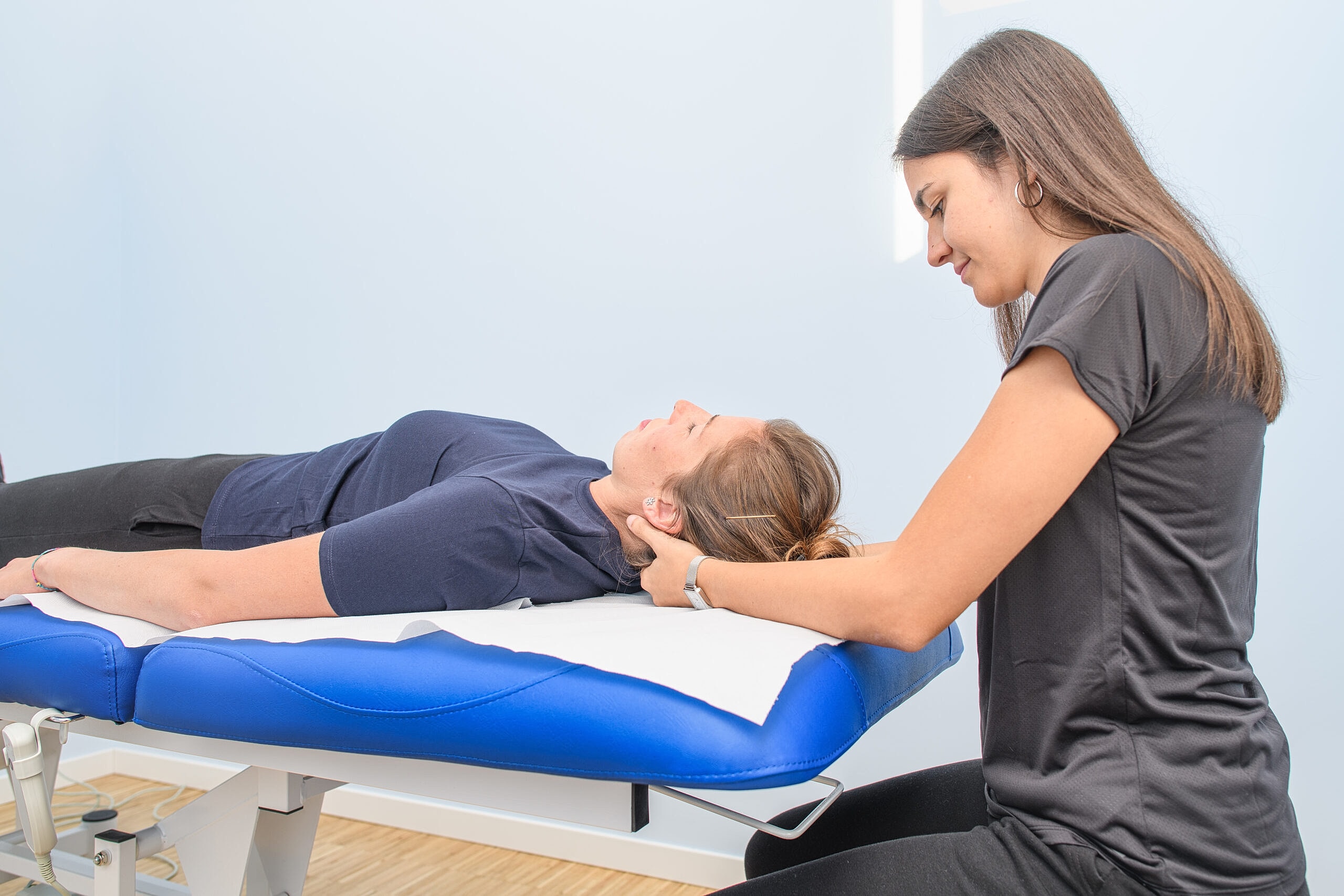
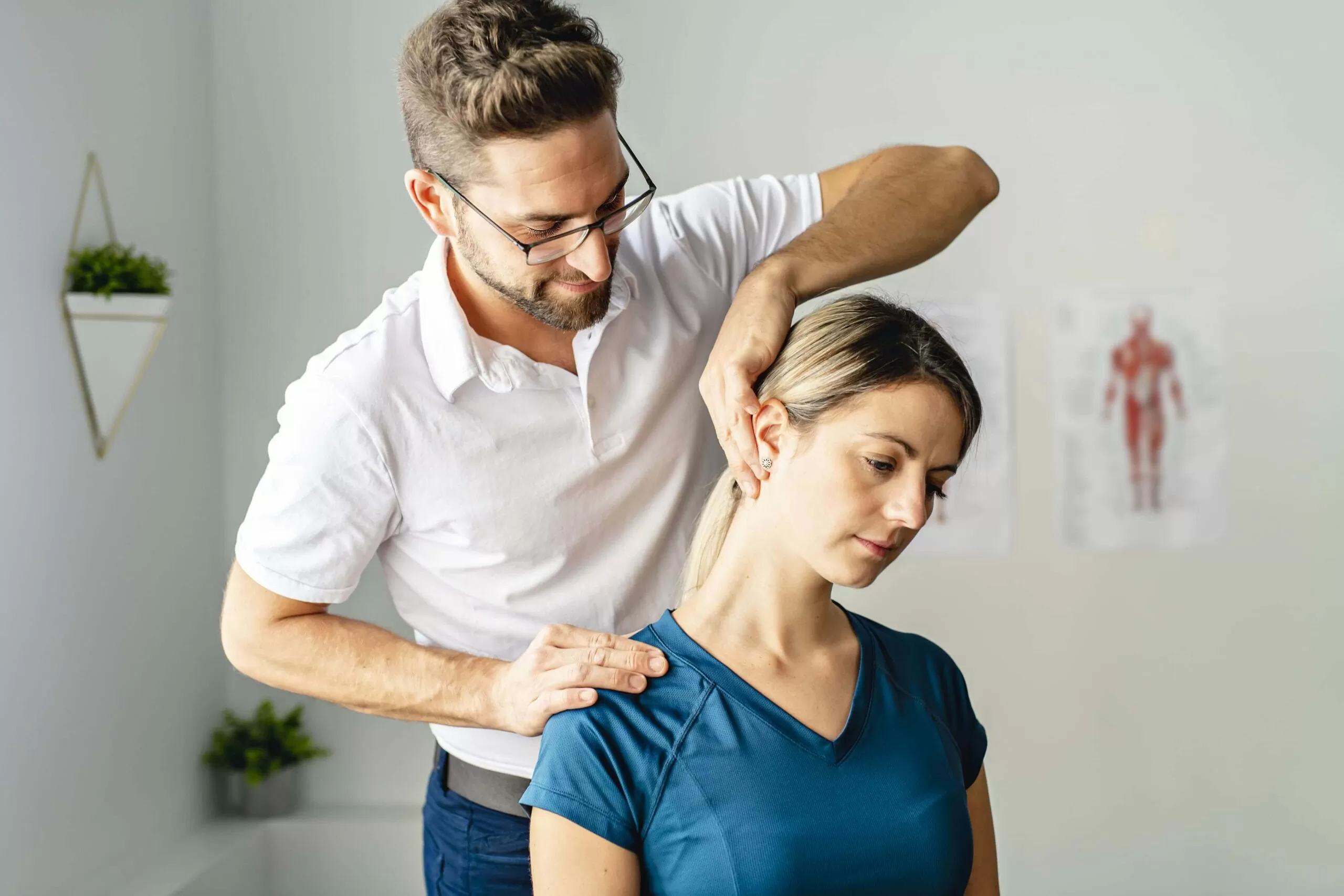
When necks feel stuck, muscle and fascia often glue themselves into predictable patterns. Myofascial release loosens those adhesions. An experienced orthopedic therapist uses manual therapy for neck stiffness in several flavors: gentle joint mobilization for the cervical spine, soft tissue release along the upper trapezius and levator scapulae, and trigger point therapy where tight knots refer pain into the head or shoulder. We may add manual manipulation in select cases when screening shows it is appropriate, although not everyone needs or tolerates high velocity techniques. If gentle pressure produces relief and clearer motion, that is usually the right dose.
I often teach people to do a home version with a small ball. Lying on your back, place a tennis or lacrosse ball under the edge of the shoulder blade or along the paraspinals beside the spine, then sink your weight into it and breathe for 60 to 90 seconds. The goal is a melting sensation, not sharp pain. Combine that with a simple stretch and you will feel the neck unspool.
Gentle stretches that earn their keep
Stretches should feel like a slow exhale, not a taffy pull. You are aiming for a light to moderate stretch, never a jab. Move into position on an exhale, hold steady breathing, and release with control. I usually prescribe 20 to 30 seconds per hold, repeated two to three times, once or twice daily for two to four weeks. If a stretch aggravates symptoms or sends pain past the shoulder into the hand, scale back or pause and consult physical therapy for neck pain to modify the plan.
- Lateral flexor reset: Sit tall with your chest gently lifted, chin slightly tucked as if making a double chin. Tilt your right ear toward your right shoulder until you feel a stretch along the left side of your neck. Keep the opposite shoulder heavy. To bias the upper trapezius, keep your nose facing forward. To bias the levator scapulae, turn your nose down toward your armpit before tilting. Hold, breathe, and switch sides. Seated cervical retraction with extension: Slide your chin back as if trying to lengthen the back of your neck. Keep the mouth relaxed. Once retracted, nod slightly and then lift your gaze just a few degrees. This glides the joints and can ease nerve tension. If you have a history of dizziness or vertebral artery issues, keep the extension tiny and pain free.
These are only two exercises in a larger library, but they work well because they are both specific and gentle. After a few days, the movement quality improves, and the neck feels less guarded.
Strength that supports your day
Stretching opens the door, strengthening keeps it from slamming shut. The deep neck flexors are the unsung heroes of the cervical spine. They keep the head balanced over the physical therapy shoulders and reduce load on the joints. The scapular stabilizers, especially the lower trapezius and serratus anterior, anchor the shoulder girdle so the neck does not carry what the upper back should.
One of my go to drills is the chin nod. Lie on your back, knees bent, head supported on a thin towel if needed. Imagine a string on your chin pulling straight down. Nod like you are saying a tiny yes without lifting your head. Hold for 5 to 8 seconds, breathe quietly, and repeat 8 to 12 times. If the front of the throat feels tired and shaky, you are doing it right. After a week or two, progress to a small head lift, keeping the chin tucked, only an inch off the surface, for 3 to 5 seconds.
Scapular setting pairs well with this. Stand tall, soften your ribs, and imagine your shoulder blades sliding into your back pockets, down and slightly together without pinching. Hold that position while you perform gentle arm movements, like a wall slide or a light band row at chest height. Two sets of 10 slow repetitions build endurance without flaring muscle tension.
A simple home exercise plan for neck pain
Consistency beats intensity. Most people do best with a 10 to 15 minute routine they repeat daily rather than a 45 minute session once a week. Here is a compact plan I often start with, assuming no red flags such as progressive weakness, numbness, or severe trauma. If any exercise worsens symptoms, reduce range or skip and get guidance from an orthopedic therapist.
- Warm up breathing and retraction: Seated diaphragmatic breathing for 60 seconds, then 8 slow cervical retractions. Mobility: Lateral flexor reset on both sides, then gentle rotation to each side with chin level, 10 reps. Stability: Chin nods, 10 reps of 5 second holds. Scapular setting with band rows, 2 sets of 10. Tissue care: Ball release along the upper trapezius or suboccipital area, 60 to 90 seconds per tender spot. Cool down: Thoracic extension over a towel roll placed across the upper back, two to three slow breaths in each position.
That handful of moves covers stretching and strengthening exercises, triggers less guarding, and encourages better posture alignment through the day.
Posture alignment without becoming a statue
Perfect posture is a myth. Endurance matters more than the snapshot. The best position is the next one, meaning your neck is happiest when you move often. Still, there are helpful landmarks. Align your ear over your shoulder, soften your lower ribs so they do not flare forward, and let the shoulder blades rest down the back. Think long, not rigid.
Ergonomic adjustments can make these cues automatic. I advise setting the top third of your monitor at eye level, bringing the screen within an arm’s reach, and using a separate keyboard so your shoulders are not hunched. A chair that supports the mid back and allows your hips to sit a touch higher than your knees helps the cervical spine relax. If you use a laptop, a simple stand and an external keyboard are not luxuries, they are neck pain treatment with physical therapy common sense. Breaks matter. Two minutes of movement every 30 to 45 minutes can keep muscle tension from building to a slow burn.
When neck pain is not just the neck
The cervical spine does not live alone. Stiffness in the upper thoracic spine forces the neck to compensate. Weakness in the core or hips can make you sit in a slouch that stacks strain up the chain. In the clinic, I almost always treat the upper back alongside the neck. Thoracic extension over a foam roller, gentle rotation stretches, and breath work that expands the side ribs open pathways for the neck to move without fighting the rest of the body.
Stress and sleep also play a role. High stress boosts baseline muscle tone and lowers pain thresholds. A short wind down routine, five minutes of nasal breathing in a dark room, or a warm shower before bed can soften that loop. Pillows matter too. Most people do well with a medium height pillow that supports the natural curve of the neck. If you wake with numb hands, check your pillow height and arm position. A too high pillow or tucking an arm under your head can compress nerves and keep symptoms simmering.
Physical therapy exercises for neck pain, customized
Templates help, but necks are personal. A physical therapy evaluation tailors the plan by testing joint mobility, muscle length, nerve tension, and motor control. For whiplash cases, I start softer, prioritizing pain management and graded exposure to movement. That may include isometrics, very low load exercises performed without moving the neck, to reassure irritated tissues. For a herniated disc, positioning becomes critical. Some people feel better with gentle cervical retraction and extension bias, while others need a flexion bias, more opening in the foramen to relieve nerve root pressure. Poor posture patterns call for habit retraining, frequent micro breaks, and endurance work in the deep neck flexors and mid back.
I had a desk worker in her 40s with right sided neck pain and arm tingling. Her Spurling’s test was positive, and cervical rotation to the right triggered symptoms. We used unloaded retraction in supine, followed by slider style nerve glides that gently moved the nerve without stretching it aggressively. Within two sessions, the tingling reduced by half. By week four, she could work full days without symptoms, provided she kept up with 8 quick retractions every hour or two and took standing breaks.
Manual therapy, used wisely
Manual therapy is a tool, not a cure by itself. My hands can reduce pain and improve motion quickly, especially with myofascial release and joint mobilizations, but the effects hold best when reinforced by movement. Trigger point therapy on the upper trapezius might drop a headache in minutes. If you follow that with chin nods, scapular setting, and smart ergonomics, relief lasts. If not, symptoms often return by the next long meeting.
People often ask about manual manipulation. For some, particularly those with facet joint restrictions and no contraindications, a precise manipulation can free a stiff segment and reset motion. For others, slower mobilizations at grades that respect irritability make more sense. The decision depends on clinical testing, your health history, and your comfort. No one should push you into a technique you do not want.
Pain management that supports progress
Pain is not a perfect mirror of tissue damage. It is an alarm system influenced by stress, sleep, beliefs, and context. Education helps. Knowing that a gentle ache during a stretch is acceptable, while sharp pain or symptoms traveling down the arm is a stop sign, gives you control. Short term strategies like heat for muscle tension or a cold pack for acute flare ups can make exercises easier. Over the counter anti inflammatories may help in the first days after a strain if your physician agrees and you have no contraindications. The goal is to calm things enough to move, because movement is the long game for rehabilitation.
A practical day in the life with a friendly neck
Morning often sets the tone. After you get out of bed, do three chin nods and a pair of gentle rotations before you check your phone. In the shower, let warm water hit the upper traps and breathe deep into the back ribs. While the coffee brews, stand tall and set your shoulder blades, then reach overhead slowly, keeping your ribs down. During work, keep a cup that empties every 45 minutes so you have a reason to stand, refill, and do a quick retraction set. Commute time can become posture time: headrest barely touching the back of your head, chin slightly tucked, shoulders relaxed.

Evening is perfect for myofascial release. Two minutes on a ball along the shoulder blade edge, then a lateral flexor stretch, then a few diaphragmatic breaths lying on your back. Small, consistent pieces add up. I have seen busy parents and entrepreneurs make solid gains by tucking these micro habits in the cracks of their day.
When to seek professional help
There is a difference between soreness and warning signs. Seek care quickly if you notice significant weakness in the hand or arm, loss of grip strength that arrives suddenly, changes in balance, progressive numbness, or severe pain after trauma. If pain persists beyond 2 to 4 weeks despite a reasonable home program, it is time for a deeper look. Search for neck pain physical therapy near me and read reviews that mention clear communication, personalized plans, and one on one time. A good clinic will ask detailed questions, perform a thorough screen for red flags, and explain why each exercise or manual therapy technique is in your plan.
Cervical spine physical therapy should feel collaborative. You bring the lived experience of your pain. We bring assessment skills, manual therapy, and exercise progressions. Together, you build a home exercise plan for neck pain that fits your schedule and tolerances.
Progressions and plateaus
The neck loves gradual change. After the first two weeks of gentle mobility and activation, you can progress. Increase the hold time on chin nods. Add light resistance bands for rows or wall slides. Introduce prone Y and T variations for the lower traps with careful control, focusing on quality over load. If your range of motion plateaus, it might be time for more targeted manual therapy, or to shift focus to thoracic mobility which often unlocks more neck freedom than hammering the neck itself.
Plateaus happen. They are not failure, they are feedback. Sometimes you need more rest, better sleep, or a tweak in ergonomics rather than another set of exercises. One of my clients stalled for weeks until we adjusted monitor height by two inches and switched to a split keyboard. The change was immediate, which reinforced the lesson that posture alignment and ergonomic adjustments are not side notes, they are core strategies.
Special situations: whiplash, poor posture, herniated disc
Whiplash can feel confusing, with pain that ebbs and flows and sensitivity to small movements. Start with breath work, gentle isometrics, and short exposure to range. Pain management takes center stage early, but do not wait too long to reintroduce movement. The tissues respond to gradual loading.
Poor posture is a habit problem as much as a strength problem. Alarms or apps that nudge you to move can help, but the real win is making your environment support you. Raise the screen, bring the work to you, and use lighting that keeps you from craning forward.
A herniated disc calls for respecting nerve irritability. If extension based moves reduce arm symptoms, keep them in. If flexion and opening positions feel better, work there while building stability. Nerve glides should feel like a gentle flossing, never a pull. The behavior of your symptoms guides the plan more than any absolute rule.
Bridging clinic and life
The real victory is not touching your toes or holding a plank for two minutes. It is reading on the couch for an hour without a headache, or finishing a workday without that familiar burn between the shoulder blades. Rehabilitation should walk you back into the things you love, step by step. If you are a cyclist, we will check handlebar reach and upper back endurance. If you are a musician, we will look at instrument position and practice breaks. If you lift weights, we will adjust your setup and cue neck neutral during pulls and presses.
I remind patients that flare ups are part of the story. A long flight, a stressful week, or a few nights on a lumpy Airbnb pillow can spark a setback. Go back to the basics for a few days: gentle retractions, lateral flexor stretching, heat, sleep, hydration, and easy walks. Most flare ups settle within a week when you respect the signals and keep moving within tolerance.
Finding the right partner in care
If you are searching for neck pain treatment with physical therapy, look for someone who listens first, tests second, and explains third. The plan should make sense to you. It should include education, manual therapy as needed, and a clear progression of exercises you can own at home. Whether you find cervical spine physical therapy in a small local clinic or a larger center, prioritize skilled time with the therapist, not just machines or handed out sheets. A therapist familiar with manual therapy for neck stiffness, trigger point therapy, and myofascial release can make early sessions more comfortable, and a strong coaching voice will help you keep the gains.
The bottom line you can feel
Necks respond to kindness. Small, frequent, precise inputs beat aggressive stretching or ignoring the problem until it barks. Blend gentle neck stretches with smart strengthening, support it with ergonomic tweaks, and use manual therapy to smooth the path when needed. Most people see meaningful change in 2 to 6 weeks with steady practice. The cervical spine is resilient, and with a bit of attention, it can carry your head through the day without complaint.
If your neck has been nagging, set a low bar you can meet today. Two minutes of retractions, a minute of lateral flexor stretching each side, and ten chin nods. Tomorrow, do it again. That rhythm, more than any one magic exercise, brings neck pain and shoulder tension relief that lasts.
Physical Therapy for Neck Pain in Arkansas
Neck pain can make everyday life difficult—from checking your phone to driving, working at a desk, or sleeping comfortably. Physical therapy offers a proven, non-invasive path to relief by addressing the root causes of pain, not just the symptoms. At Advanced Physical Therapy in Arkansas, our licensed clinicians design evidence-based treatment plans tailored to your goals, lifestyle, and activity level so you can move confidently again.
Why Physical Therapy Works for Neck Pain
Most neck pain stems from a combination of muscle tightness, joint stiffness, poor posture, and movement patterns that overload the cervical spine. A focused physical therapy plan blends manual therapy to restore mobility with corrective exercise to build strength and improve posture. This comprehensive approach reduces inflammation, restores range of motion, and helps prevent flare-ups by teaching your body to move more efficiently.
What to Expect at Advanced Physical Therapy
- Thorough Evaluation: We assess posture, joint mobility, muscle balance, and movement habits to pinpoint the true drivers of your pain.
- Targeted Manual Therapy: Gentle joint mobilizations, myofascial release, and soft-tissue techniques ease stiffness and reduce tension.
- Personalized Exercise Plan: Progressive strengthening and mobility drills for the neck, shoulders, and upper back support long-term results.
- Ergonomic & Lifestyle Coaching: Practical desk, sleep, and daily-activity tips minimize strain and protect your progress.
- Measurable Progress: Clear milestones and home programming keep you on track between visits.
Why Choose Advanced Physical Therapy in Arkansas
You deserve convenient, high-quality care. Advanced Physical Therapy offers multiple locations across Arkansas to make scheduling simple and consistent—no long commutes or waitlists. Our clinics use modern equipment, one-on-one guidance, and outcomes-driven protocols so you see and feel meaningful improvements quickly. Whether your neck pain began after an injury, long hours at a computer, or has built up over time, our team meets you where you are and guides you to where you want to be.
Start Your Recovery Today
Don’t let neck pain limit your work, sleep, or workouts. Schedule an evaluation at the Advanced Physical Therapy location nearest you, and take the first step toward lasting relief and better movement. With accessible clinics across Arkansas, flexible appointments, and individualized care, we’re ready to help you feel your best—one session at a time.
Advanced Physical Therapy
1206 N Walton Blvd STE 4, Bentonville, AR 72712, United States 479-268-5757
Advanced Physical Therapy
2100 W Hudson Rd #3, Rogers, AR 72756, United States
479-340-1100